
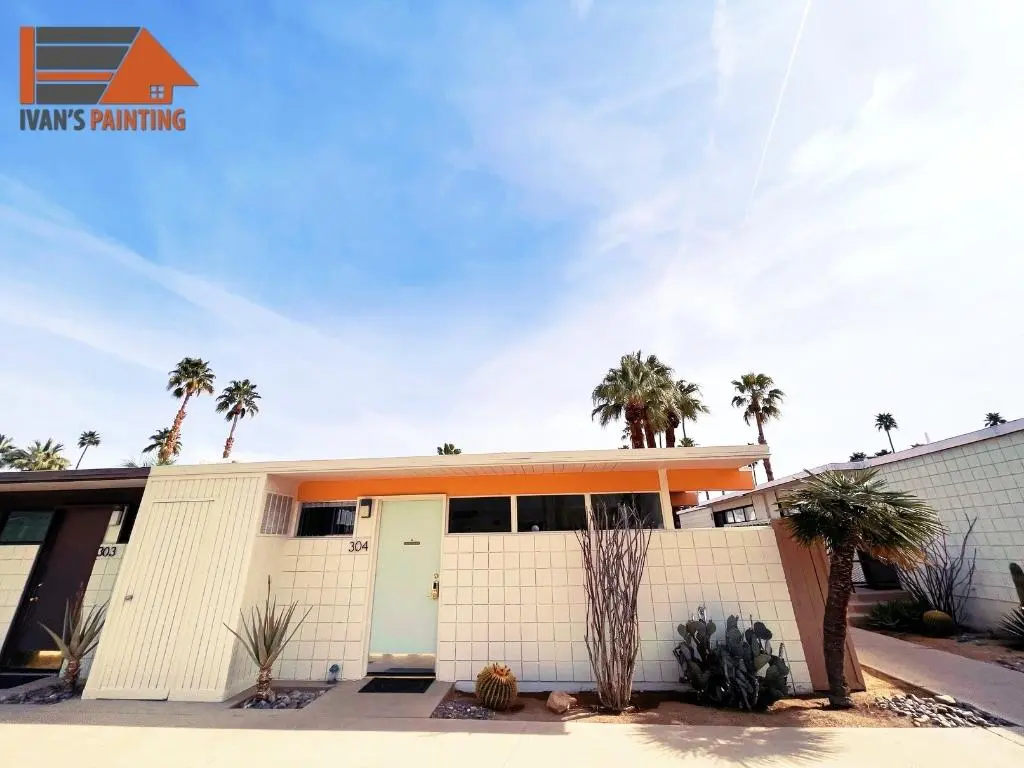
The task of choosing exterior paint colors is more than a mere aesthetic decision; it’s a strategic choice that impacts the harmony of your entire neighborhood.
Selecting the right colors can significantly enhance both the aesthetic appeal and the market value of a property, serving the interests of both commercial and residential property owners.
The harmony in color choice amplifies the beauty of individual properties and contributes to a cohesive and appealing community atmosphere, making the environment more enjoyable for everyone.
Understanding Your Neighborhood’s Palette
The journey of choosing exterior house colors or choosing exterior paint colors starts with a thoughtful observation of the surrounding environment:
- Cohesion with Neighboring Buildings: Ensuring that your property’s colors harmonize with neighboring buildings is crucial for maintaining a unified neighborhood aesthetic. This cohesion fosters a sense of community and enhances the overall appeal of the area.
- The Color of Natural Surroundings: The local landscape can be a significant influence on your exterior paint color choice. Whether it’s the lush greenery of a suburban area, the arid tones of a desert landscape, or the vibrant colors of a coastal setting, Integrating these elements into your home’s exterior paint color scheme can create a seamless and natural look.
Similarly, the historical and cultural context of your area can deeply inform your color choices:
- Historical Integrity and Local Traditions: Many neighborhoods have a rich historical background that is reflected in their architectural styles and color palettes. Honoring these elements can preserve the character and charm of the area.
- Regional Colors: Different regions have distinct color palettes influenced by their cultural, historical, and environmental factors. Embracing these regional colors can help your property resonate with its surroundings and reflect the community’s identity.
Color Psychology and Its Impact
Certain colors can invoke feelings of warmth, comfort, or tranquility, while others might evoke strength or vibrancy. Selecting a color that conveys the right emotional tone is crucial for creating the desired ambiance for your property.
- White
White, often complemented by white trim for a harmonious look, is a popular choice for residential exteriors as it symbolizes purity, cleanliness, and simplicity. It reflects light, keeping homes cooler in warmer climates and providing a sense of spaciousness.
Psychologically, white can evoke feelings of freshness, neutrality, and modernity.
- Beige or Neutral Tones
Beige and other neutral colors such as taupe or gray are versatile choices that complement various architectural styles. These colors convey warmth, stability, and timelessness, creating a welcoming and comforting atmosphere.
Psychologically, neutral tones promote relaxation and balance, making them popular for creating a harmonious exterior appearance.
- Gray
Gray exterior hues have gained popularity for their contemporary and sophisticated appeal. Gray conveys a sense of sophistication, modernity, and understated elegance.
Psychologically, gray is associated with balance, calmness, and resilience, making it suitable for homeowners seeking a timeless yet stylish look.
- Blue
Light blue, resembling the colors of the sky and sea and often used as an accent color, is chosen for residential exteriors to create a serene and calming effect. Lighter shades of blue can make homes appear more expansive, while darker blues evoke a sense of stability and security.
Psychologically, blue is linked to tranquility, trustworthiness, and dependability, making it a popular choice for promoting relaxation and peace of mind.
- Green
Green exterior colors, ranging from soft sage to deep forest green, are inspired by nature and evoke feelings of harmony, growth, and vitality. Lighter shades of green can impart a refreshing and rejuvenating ambiance, while darker greens offer a sense of stability and connection to the earth.
Psychologically, green, when used as the body color or accent color with a complementing trim color, is associated with balance, renewal, and health, making it an excellent choice for homeowners seeking a connection to nature and a sense of well-being.
- Earthy Tones
Earthy hues such as terracotta, ochre, or clay are inspired by natural elements like soil and minerals. These colors create a warm and inviting atmosphere, blending seamlessly with natural surroundings.
Psychologically, earthy tones evoke a sense of grounding, stability, and connection to the earth, making them popular for homeowners who value a rustic and organic aesthetic.
The chosen hues should align with the emotional impact you wish to impart on residents or visitors, whether it’s a sense of calm, energy, or warmth.
Practical Considerations in Color Selection
When choosing colors for your residential home’s exterior, it’s essential to consider not only aesthetic preferences but also practical factors. Here are some considerations to keep in mind:
-
Climate and Sun Exposure
Consider the climate of your region and the amount of sun exposure your home, with its light gray roof, receives throughout the day. Lighter colors such as white or pastels reflect sunlight, keeping your home cooler in hot climates, while darker colors absorb heat, providing warmth in colder regions.
Selecting colors that complement your climate can help improve energy efficiency and reduce heating and cooling costs.
-
Maintenance Requirements
Different exterior surfaces require varying levels of maintenance. For example, lighter colors may show dirt and stains more easily than darker shades, requiring more frequent cleaning.
Additionally, some colors may fade or weather faster than others, necessitating repainting or touch-ups sooner. Choose colors that align with your maintenance preferences and capabilities to ensure your home maintains its curb appeal over time.
-
Architectural Style
Consider the architectural style of your home when selecting exterior colors. Certain colors, including warm and cool tones, may be more traditional or appropriate for specific architectural designs, while others may clash or detract from the overall aesthetic.
Research color palettes commonly associated with your home’s architectural style to ensure your exterior paint color choices, including the body color and window trim, complement its unique features and character.
-
Neighborhood Guidelines
Some neighborhoods or homeowners associations may have regulations or guidelines regarding exterior color schemes. Before you choose exterior paint colors, check with local authorities or community guidelines to ensure compliance with any restrictions or requirements.
Harmonizing your home’s exterior colors with those of neighboring properties can contribute to a cohesive and visually appealing streetscape.
-
Resale Value
While personal preference should drive your color choices, it’s also wise to consider the potential impact on your home’s resale value. Neutral and universally appealing colors tend to have broader appeal among potential buyers, making your home more marketable in the future.
If you have plans to sell your home down the line, opt for timeless colors that will maintain their appeal and attractiveness over time.
By taking these practical considerations into account, you can select exterior colors that not only enhance the appearance of your home but also contribute to its functionality, longevity, and overall value.
Navigating Regulations and Community Standards
Many neighborhoods and HOAs have specific guidelines or restrictions on exterior paint colors to maintain a cohesive look. It’s vital to understand these rules before finalizing your exterior paint color choice to avoid any potential issues or the need to repaint.
Adhering to local color guidelines ensures that your property remains in good standing within the community and prevents legal complications that can arise from non-compliance, safeguarding your investment and peace of mind.
Engaging with the Community
Seeking input from neighbors can provide valuable insights and foster a sense of community, especially when choosing an accent color or trim color that complements the neighborhood.
Their feedback can help you gauge how your choice to choose exterior house colors might be received and ensure that your home complements the neighborhood aesthetic.
Harmonious color choices can contribute to a pleasant and unified neighborhood environment, enhancing relationships with neighbors and creating an inviting community for all residents.
Consulting with Professionals
While choosing colors for your home’s exterior can be an exciting endeavor, consulting with professionals can provide invaluable guidance and expertise to ensure your selections align with your vision and practical considerations. Here’s why seeking professional advice is beneficial:
-
Expertise in Color Theory
Professional designers and color consultants can offer insights into color psychology, complementary color schemes, and current trends, helping you choose exterior house colors that make a statement, helping you make informed decisions that suit your preferences and objectives.
-
Customized Solutions
A professional consultant can tailor color recommendations to your home’s unique architectural style, surroundings, and personal taste.
They consider factors such as lighting conditions, landscape elements, and neighborhood aesthetics to create a cohesive and visually pleasing exterior color scheme, including the right front door and window trim color, that enhances your home’s curb appeal.
-
Access to Resources
Design professionals have access to a wide range of color samples, swatches, and digital visualization tools that enable you to preview different color combinations and finishes before making a final decision.
-
Problem-Solving and Guidance
Should you encounter challenges or uncertainties during the color selection process, a professional consultant can provide expert guidance and problem-solving strategies.
Whether addressing architectural inconsistencies, navigating restrictive neighborhood guidelines, or refining your color palette, their expertise can streamline the decision-making process and alleviate concerns.
-
Long-Term Value
Investing in professional color consultation ensures that your exterior color choices are not only aesthetically pleasing but also durable, sustainable, and timeless.
Professionals consider factors such as colorfastness, weather resistance, and maintenance requirements to optimize the longevity and value of your home’s exterior finish.
For those looking to embark on this transformative journey, Ivan’s Painting offers expertise and experience to guide you through the process. Consulting with the professionals at Ivan’s Painting can turn your vision into a reality, ensuring a result that is both beautiful and harmoniously integrated into your community.
Conclusion
Choosing exterior paint colors is a strategic decision that impacts neighborhood harmony and property value.
By considering factors such as climate, maintenance requirements, and architectural style, property owners can create cohesive and visually appealing communities.
Consulting with professionals can provide invaluable guidance to ensure color selections align with both personal preferences and practical considerations.