
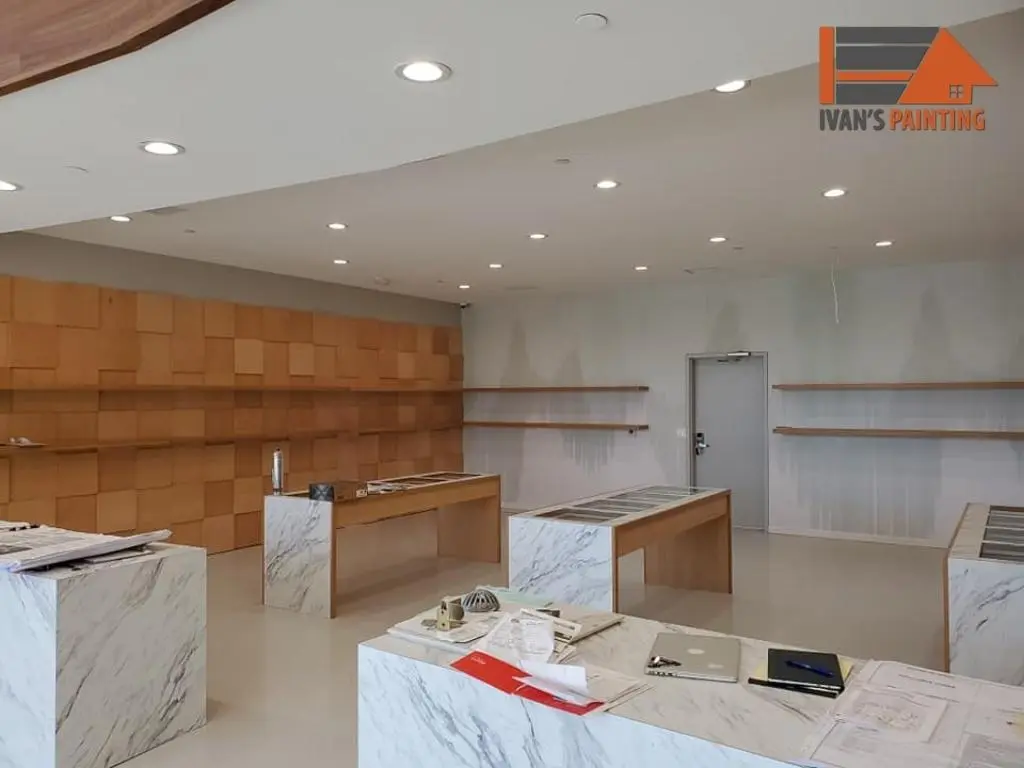
The appearance of a commercial building can play a pivotal role in attracting customers and creating a lasting impression. Whether it’s a bustling retail outlet, industrial building, or a bustling office hub, a professional paint job can be the key to elevating curb appeal and maximizing property value.
Benefits of Commercial Painting
Commercial painting refers to a specialized service designed to address the needs of commercial properties, including industrial painting projects and property management companies.
Unlike residential painting, which typically focuses on aesthetics and home environment, commercial painting projects involve larger scales, specialized equipment, and paints that can withstand harsh conditions like direct sunlight and high foot traffic.
Here are some potential benefits of different types of commercial painting services:
- Increased Property Value: Potential buyers or tenants are often drawn to well-maintained properties with a fresh and appealing exterior, as seen in successful commercial painting service projects. A professionally painted building signals to them that the property has been cared for and maintained, which can justify a higher asking price or rental rate.
- Enhanced Curb Appeal: A freshly painted facade stands out, making your property more inviting and memorable. This enhanced curb appeal can attract more foot traffic to retail stores, restaurants, or other businesses, potentially leading to increased sales and revenue. Moreover, a visually appealing workplace can also boost employee morale and productivity, contributing to a positive work environment.
- Protective Barrier: By forming a durable barrier, the paint helps prevent structural damage, decay, and corrosion, ultimately extending the lifespan of the building. Regular painting maintenance, an essential part of the painting process, can also identify and address any underlying issues such as wood rot or surface deterioration before they escalate into costly repairs.
Commercial painting offers more than just a cosmetic upgrade; it adds tangible value to your property by increasing its market appeal, protecting it from the elements, and fostering a positive image for your business.
Assessing Your Business’s Painting Needs
To determine whether your business requires a new paint job, consider the following factors:
- Visual Inspection: Look for signs of peeling, fading, or cracking paint on the building’s exterior. These can diminish a building’s professional appearance and may deter potential clients.
- Business Goals: Whether updating a brand identity or aiming to attract new customers, a fresh coat of paint can be a cost-effective way to meet these objectives.
- Employee and Customer Feedback: Input about the aesthetic and functionality of the current paint can guide decisions on the necessity and scope of a new commercial paint job.
Regular assessments of your building’s exterior can help maintain its professional appearance and functionality, ensuring that any potential issues are addressed promptly to avoid deterring potential clients, especially in high-traffic areas like San Diego, CA. Aligning the paint job with business goals and feedback can directly influence customer attraction and business identity.
Choosing the Right Paint and Materials
Selecting the right materials is crucial for a successful commercial painting project. High-quality paint ensures longevity and endurance, particularly important for buildings exposed to extreme weather or high traffic.
When choosing paints and materials for your commercial painting job, consider the following:
- Type of Paint: For the exterior, prioritize paints known for their durability and ability to withstand various weather conditions. For interior spaces, opt for paints that not only complement the desired ambiance but also have the resilience to withstand daily wear and tear.
- Quality: Investing in top-tier paint products pays off in the long run. High-quality paints not only provide better coverage and longevity but also reduce the frequency of repaints, offering a more cost-effective solution over time.
- Eco-Friendliness: Choose paints that are environmentally conscious and meet regulatory standards. Opting for eco-friendly options not only minimizes health risks but also demonstrates a commitment to sustainability. Look for paints with low volatile organic compound (VOC) content, as they contribute to better indoor air quality while being safer for both occupants and the environment.
Selecting the right type and quality of paint for both exterior and interior painting applications ensures durability and meets specific business ambiance needs, making it a cost-effective strategy for maintaining commercial spaces.
Color Psychology in Commercial Spaces
Color choices in a commercial space are not merely aesthetic decisions; they are strategic tools that can influence client perceptions and employee productivity.
Here are some tips that can help you in choosing the right colors for your commercial painting jobb:
- Brand Alignment: Select colors that align with your brand identity, values, and message. For example, if your brand promotes innovation and creativity, vibrant and energetic colors like orange or yellow may be suitable. On the other hand, if your brand emphasizes trust and professionalism, consider using calming and sophisticated hues like blue or gray.
- Audience Consideration: Think about your target audience and their preferences. Different demographics may respond differently to colors based on cultural backgrounds, age groups, and personal experiences. Conducting market research or consulting with a professional designer can help you choose colors that resonate with your specific audience.
- Functionality: Consider the function of the space when selecting colors. For instance, warm tones like red or orange can stimulate appetite and energy, making them ideal for restaurants or retail environments. In contrast, cool tones like blue or green promote relaxation and concentration, making them suitable for offices or healthcare facilities.
- Balance and Contrast: Create visual interest and balance by incorporating a variety of colors and contrasts. Use a combination of dominant, accent, and neutral colors to guide the eye and highlight important features within the space. Avoid overwhelming the senses with too many bold colors or clashing combinations.
- Lighting Effects: Keep in mind that lighting can affect the perception of color within a space. Natural light, artificial lighting, and even the time of day can alter how colors appear. Test paint samples under different lighting conditions to ensure they achieve the desired effect and ambiance.
- Psychological Effects: Understand the psychological effects of different colors and how they can influence mood and behavior. For example, green is often associated with nature and tranquility, while yellow can evoke feelings of happiness and optimism. By strategically incorporating these colors, you can create an environment that fosters the desired emotional response.
- Flexibility: Lastly, consider the long-term flexibility of your color scheme. Trends change, and your business may evolve over time. Opt for timeless colors with the option to easily update accents or accessories to stay current without undergoing a complete redesign.
By applying these tips on color psychology, you can create commercial spaces that not only look visually appealing but also evoke the desired emotions and support your business objectives, whether for interior painting or exterior facades.
Cost Considerations and Budgeting
Cost is a critical aspect of any commercial painting project. Planning financially for a professional commercial painting job requires an understanding of various factors that influence cost:
- Scope of Work: The size and complexity of the commercial space will directly impact the price.
- Quality of Materials: While high-quality paint may have a higher upfront cost, it can be more cost-effective in the long run due to its durability.
- Labor: The cost of professional painters reflects their skill and the specialized equipment they use.
Understanding the cost factors and budgeting appropriately for a commercial painting project are key to its success, ensuring that the investment improves property value without unforeseen expenses.
Legal and Regulatory Compliance
Navigating the legal landscape is essential for any commercial painting project:
- Local Regulations: Ensure that all local building codes and environmental regulations are followed to avoid legal issues.
- Safety Standards: Adherence to safety standards protects not just the painting crew but also your employees and customers throughout the painting process.
- Insurance and Licensing: Verify that your commercial painting contractor has the necessary licenses and insurance to safeguard against liabilities.
Adhering to local regulations and safety standards is essential for any commercial painting project to ensure compliance and safety. Ensuring that all legal and regulatory requirements are met can prevent costly fines and disruptions, safeguarding the interests of the business and its stakeholders.
Selecting a Commercial Painting Contractor
Choosing the right commercial painting contractor is pivotal for achieving a professional paint job that will stand the test of time, particularly for industrial painting projects. Consider these factors when selecting a contractor:
- Experience and Reputation: Look for a professional painting contractor with extensive experience in commercial painting services and positive reviews.
- Licenses and Insurance: Ensure the contractor is licensed to operate and carries adequate insurance to protect your property during the painting project.
- Detailed Estimate: A reputable contractor will provide a free estimate detailing the costs, timeline, and materials for the painting project.
Selecting the right commercial painting contractor involves considering their experience, reputation, and the detailed estimates they provide, ensuring that the painting project will be completed to high standards. Ensuring that the contractor is fully licensed and insured safeguards your business against potential liabilities.
Maintaining Your Commercial Paint Job
To extend the life of your new paint job and maximize your investment, regular maintenance is crucial:
- Regular Inspections: Check for signs of wear and tear that could escalate if not addressed.
- Immediate Repairs: Address any damage or issues as soon as they arise to maintain the integrity of the paint job.
- Cleaning: Keeping the painted surfaces clean will not only enhance visual appeal but also prevent buildup that could damage the paint, ensuring the longevity of the painting job.
Regular maintenance and prompt repairs are crucial in extending the life and appearance of a commercial paint job, thereby protecting the investment and ensuring that the property remains attractive and functional.
Wrapping Up
The benefits of commercial painting are manifold, affecting everything from curb appeal and property value to employee morale and customer satisfaction. Whether it’s a fresh coat of paint for the building’s exterior, a complete color overhaul of the interior, or a large-scale project for industrial buildings, the strategic investment in different types of commercial painting services can significantly enhance your business’s image and operations.
Ready to transform your commercial space with a fresh, professional look? Contact Ivan’s Painting today to discover how their expert team can elevate your property’s appeal and ensure a lasting impression with our top-quality painting services.